Calen Vanda: Evaluating the Fit of a Soft Handwritten Script for Modern Design Projects
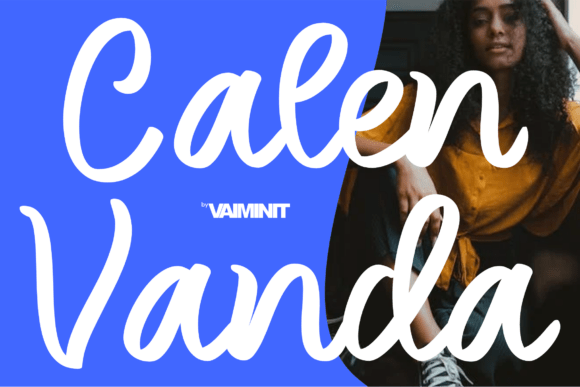
In the vast landscape of digital typography, selecting the right typeface is often less about finding the "best" font and more about identifying the one that aligns perfectly with a specific project's emotional tone and functional requirements. Calen Vanda has emerged as a notable option within the handwritten script category, particularly for creators seeking a balance between legibility and personal charm. This font distinguishes itself through a lovely, sweet aesthetic that avoids the overly dramatic flourishes found in many contemporary calligraphy styles, offering instead a soft and elegant touch suitable for a wide range of creative applications.
For designers, hobbyists, and small business owners aged 20 to 50 who are currently evaluating resources for wedding invitations, branding, or DIY crafts, understanding the nuances of Calen Vanda is essential. Unlike rigid sans-serif fonts designed purely for corporate neutrality, or high-contrast scripts that prioritize style over readability, Calen Vanda occupies a middle ground. Its flowing, cursive letters mimic natural handwriting, making it an excellent choice for designs that require a personal, human connection. However, like any design tool, it has specific strengths and limitations that must be weighed against project goals.
Defining the Aesthetic and Technical Characteristics
At its core, Calen Vanda is defined by its approachable and warm personality. The letterforms are constructed with a consistent stroke weight that avoids extreme thick-and-thin variations, which can sometimes reduce legibility at smaller sizes. This characteristic makes it distinct from traditional copperplate or engrosser's script fonts, which rely heavily on pressure sensitivity simulation. Instead, Calen Vanda offers a more uniform look that remains clear even when scaled down for stickers or sublimation transfers.
From a technical standpoint, a significant advantage of this typeface is its PUA (Private Use Area) encoding. For users working with cutting machines like Cricut or Silhouette, or design software such as Canva and Procreate, this feature is critical. PUA encoding allows access to the full suite of glyphs, including swashes, ligatures, and alternate characters, without requiring advanced typesetting software like Adobe InDesign or Illustrator. In many non-PUA fonts, accessing these decorative elements requires complex keystroke combinations or specific OpenType panels that are unavailable in web-based or entry-level design tools. With Calen Vanda, the barrier to entry is lowered, allowing crafters to easily incorporate professional-looking ligatures into their projects directly within their preferred platforms.
Comparing Script Styles: Where Calen Vanda Fits
When exploring alternatives in the handwritten script market, designers typically encounter three main categories: aggressive brush scripts, formal calligraphy, and casual monoline scripts. Calen Vanda leans towards the casual yet refined end of the spectrum.
- Vs. Brush Scripts: Popular brush fonts often feature heavy dynamic contrast and rough edges to simulate paint or marker strokes. While these are excellent for bold headlines, they can appear too loud for delicate items like wedding place cards or holiday greeting cards. Calen Vanda provides a softer alternative that maintains elegance without demanding immediate attention.
- Vs. Formal Calligraphy: Traditional formal scripts are beautiful but often suffer from poor legibility in body text or small formats. They also tend to look stiff if not kerned perfectly. Calen Vanda's natural flow offers a more forgiving structure, making it easier for non-typographers to achieve a polished look.
- Vs. Monoline Scripts: While similar to monoline fonts in stroke consistency, Calen Vanda incorporates subtle curves and varying terminal points that give it a more organic, hand-drawn feel compared to the geometric precision of strict monoline options.
This positioning makes Calen Vanda particularly versatile. It is not so casual that it undermines a professional brand identity, yet it is not so formal that it feels inaccessible. For a logo branding design, this balance is crucial; the font needs to convey trust and warmth simultaneously.
Practical Applications and Best-Fit Scenarios
The utility of a font is best judged by its performance in real-world scenarios. Calen Vanda shines in contexts where emotional resonance is paramount.
Wedding and Event Stationery
For wedding invitations, the font's sweet and elegant nature sets a romantic tone without appearing cliché. It works exceptionally well for names and dates, where the flowing cursive adds a touch of sophistication. When compared to standard script options, Calen Vanda's ligatures help connect letters naturally, reducing the need for manual kerning adjustments that often plague other script fonts in layout software.
Seasonal Crafts and Home Decor
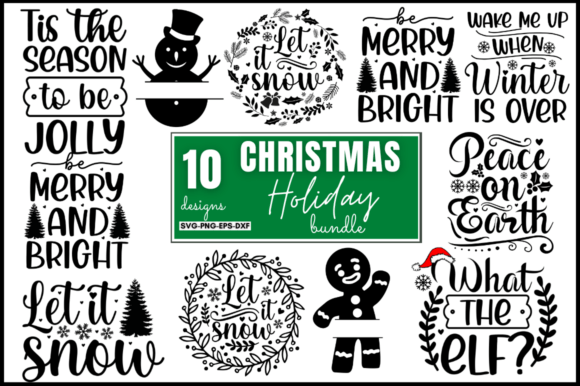
In the realm of Christmas holiday crafts and seasonal decor, readability is key, especially when text is applied to curved surfaces like tumblers or ornaments. The open counters and clear letterforms of Calen Vanda ensure that quotes remain legible even when wrapped around a cylindrical object. Its compatibility with sublimation processes means that the fine details of the script do not get lost during the heat transfer process, a common issue with thinner, more intricate fonts.
Small Business Branding
For entrepreneurs creating logos for boutiques, bakeries, or lifestyle brands, Calen Vanda offers a friendly face. It suggests a business that is handmade and caring. However, it is important to note that while it excels in logotypes, it may not be the ideal choice for long paragraphs of body text on a website or printed brochure. In those instances, pairing Calen Vanda with a clean sans-serif or a simple serif font is a recommended strategy to maintain readability while keeping the brand's charming header intact.
Limitations and Decision Factors
While Calen Vanda is a robust tool for many projects, it is not a universal solution. Designers must recognize its limitations to avoid misapplication. The primary constraint lies in its legibility at very small sizes or over busy backgrounds. Because it is a connected script, complex background patterns can interfere with the flow of the letters, making the text difficult to decipher. In such cases, a disjointed script or a bold sans-serif might be a safer alternative.
Furthermore, the "sweet" personality of the font may not align with brands aiming for a rugged, industrial, or ultra-modern minimalist aesthetic. If a project requires a tone of authority, severity, or high-tech precision, Calen Vanda's warm and inviting nature could send the wrong message. It is best reserved for industries and projects where approachability and creativity are the primary values.
Another consideration is the reliance on PUA encoding for full functionality. While this is a strength for many, users who strictly work in environments that do not support private use area characters (some older web browsers or basic text editors) may find themselves limited to the base character set unless they convert the font or use image-based workarounds. However, for the target demographic using modern crafting software like Cricut Design Space, Canva, or Procreate, this is rarely an issue.
Making an Informed Choice
Ultimately, choosing Calen Vanda comes down to the specific emotional narrative of your project. If you are designing a wedding invitation that needs to feel intimate, a holiday sticker that brings a smile, or a logo that whispers "handcrafted with care," this font is a strong contender. Its ability to deliver a personal and charming look without sacrificing technical accessibility makes it a valuable asset in a designer's toolkit.
However, if your project demands high-impact boldness, extensive body copy, or a starkly modern vibe, you may need to explore other categories of typography. The most effective design strategies often involve mixing fonts; using Calen Vanda for headlines and accents while relying on a neutral partner font for information density. By understanding where Calen Vanda excels and where it yields to other options, you can ensure your designs stand out in a warm, elegant, and purposeful way.